




Water damage is one of the most common and most misunderstood insurance losses affecting homes in Vancouver, Washington. What starts as a small leak or isolated incident often spreads quickly through flooring, walls, ceilings, and structural materials before it’s discovered. By the time homeowners notice visible damage, moisture may already be affecting areas that are not immediately accessible or obvious.
Water damage insurance claims are not just about drying wet areas. They are about identifying how water entered the home, how far it traveled, what materials were affected, and what work is required to restore the property safely and properly. When any of those details are missed or poorly documented, insurance coverage can fall short of what the home actually needs.
When you contact us, our team moves quickly to begin claim documentation and inspection coordination. Early involvement helps prevent missed damage, delays, and undervalued insurance decisions.
We follow strict public adjusting standards and industry guidelines to ensure claims are handled accurately, ethically, and in line with policy requirements.
With years of field and claim handling experience, we deliver dependable results through detailed documentation, clear communication, and focused negotiation on every claim.
Based in Seattle, we treat every policyholder with care and respect, providing reliable claim representation for property owners throughout Washington.
In Vancouver homes, water damage frequently results from plumbing failures, appliance leaks, roof leaks, sewer backups, or storm-related water intrusion. These events rarely stay contained to one location. Water follows gravity and structure, moving through framing, insulation, subfloors, and wall cavities long before surface damage appears.
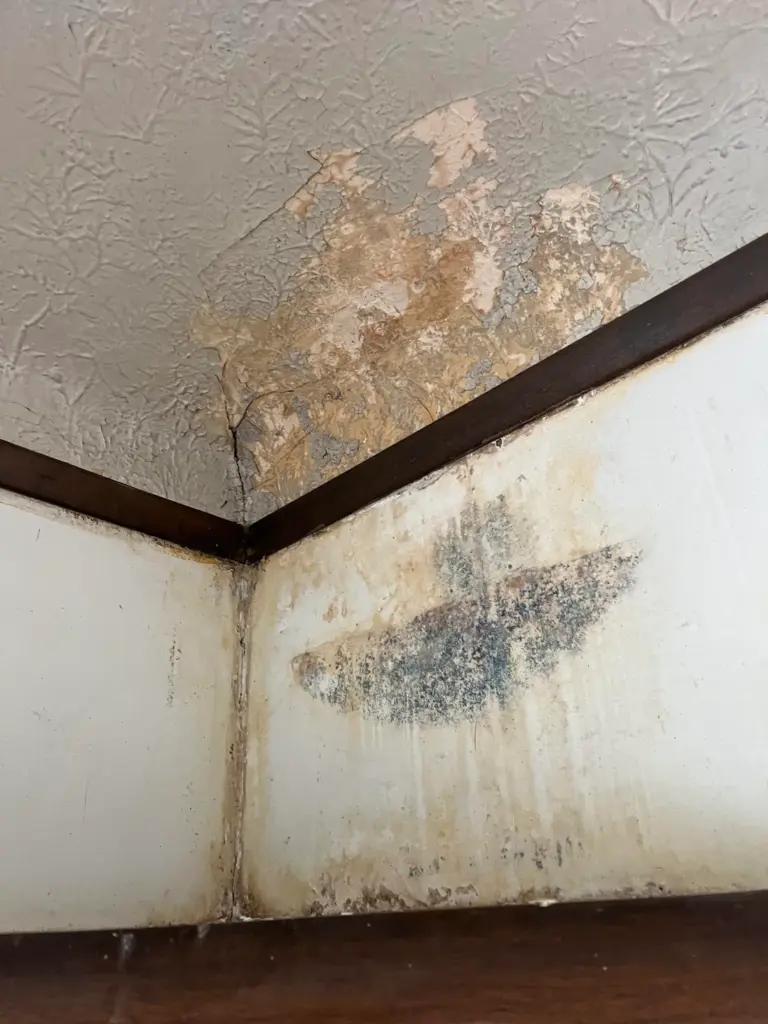
Many homeowners assume water damage is limited to what they can see, such as wet flooring or stained drywall. In reality, moisture can remain trapped behind walls or under surfaces, leading to material deterioration, odor issues, and long-term structural concerns if not addressed correctly.
A proper water damage claim explains not only what is wet, but why those areas were affected and how the damage progressed.
Water damage insurance claims are frequently undervalued because moisture damage is easy to underestimate. Insurance evaluations may focus on drying visible areas while overlooking materials that have absorbed water but haven’t visibly failed yet.
When damage is misclassified or limited in scope, homeowners are left with incomplete repairs or future problems that surface after the claim is closed. This often leads to out-of-pocket expenses for issues that should have been addressed during the original claim.
Accurate documentation helps ensure the claim reflects drying requirements, material removal, repairs, and restoration, not just cosmetic fixes.
Flood damage can affect a property quickly and extensively, often impacting multiple areas at the same time. In Vancouver, flooding may result from heavy rainfall, storm runoff, drainage failures, sewer backups, or rising groundwater. Once water enters a structure, it can saturate flooring systems, subfloors, wall assemblies, and structural materials far beyond the initial point of entry.
Effective flood damage restoration requires more than removing standing water. Moisture can remain trapped inside wall cavities, beneath finished surfaces, and within building materials long after visible water is gone. When these conditions are not properly identified and addressed, long-term damage can develop even after repairs appear complete. Flood-related insurance claims should reflect the full scope of water exposure so restoration work addresses the entire affected area, not just isolated sections.
In Vancouver and throughout Southwest Washington, flood restoration must also account for local construction methods, soil conditions, and climate patterns. The objective is not only to restore the property after a flood event, but to ensure repaired areas remain structurally sound, safe, and functional over time.
Water damage affects properties differently depending on how the space is used and occupied. Residential homes, apartment buildings, offices, retail spaces, and multi-unit properties each present unique challenges during restoration. Some properties require careful coordination to minimize disruption to daily living or business operations, while others involve complex layouts that make drying and repairs more involved.
A comprehensive restoration approach focuses on clear communication, proper scheduling, and attention to detail throughout the process. Whether the damage is limited to a single area or extends throughout the building, all affected systems must be evaluated and restored correctly. Consistency and accountability are critical to ensuring the work is completed properly and does not lead to future moisture-related issues.
Water damage restoration public adjusters assist property owners by managing the insurance claim process after events such as leaks, flooding, sewer backups, or plumbing failures. Unlike insurance company adjusters, public adjusters represent the policyholder and focus on documenting both visible and hidden water damage.
This process includes reviewing policy coverage, coordinating inspections, and preparing detailed documentation that supports the true extent of the loss. By clearly presenting how water affected the property and what repairs are required, public adjusters help reduce delays and prevent settlements that fall short of restoration needs.
For property owners in Vancouver, WA, working with a water damage restoration public adjuster helps protect the value of the property while supporting repairs that address the full impact of the water loss—not just what is immediately visible at the time of inspection.
Flood damage caused by heavy rain, drainage failures, or storm related water intrusion can overwhelm a property quickly and impact multiple levels at once. Standing water and widespread saturation often affect flooring systems, wall assemblies, and structural components that insurance carriers may initially undervalue or overlook. Proper flood damage claim handling is critical to ensure the full scope of loss is documented and reviewed accurately.
As public adjusters in Seattle, WA, we assist property owners by managing flood damage insurance claims from initial assessment through settlement. Our focus is on identifying both visible and hidden flood related damage, preparing detailed documentation, and presenting the claim clearly so coverage supports proper drying, repairs, and long term stability rather than partial or underfunded resolutions.
In many cases, water damage isn’t discovered right away. Slow leaks, minor roof failures, or appliance malfunctions can go unnoticed until damage becomes visible or odors develop. When this happens, insurance companies may question when the loss occurred or argue that damage developed over time.
A well-prepared claim establishes a clear explanation of how the damage occurred, why it wasn’t immediately visible, and how it relates to a covered event. Without that explanation, homeowners may face delays or reduced settlements.
Late discovery does not automatically mean damage isn’t covered, but it does require stronger documentation.
The water damage claim process begins when the loss is reported to the insurance company and a claim is opened. An insurance adjuster is usually assigned to inspect the property and evaluate the damage. This initial inspection often focuses on visible water impact and may not fully account for moisture that has traveled into hidden areas.
After the inspection, the insurance company prepares an estimate based on their findings. If certain materials or areas were missed, those items may not be included in the initial scope of repairs. As drying and cleanup begin, additional damage is often discovered, which can complicate the claim if it wasn’t documented early.
A properly managed water damage claim stays consistent throughout the process. This means ensuring inspections, documentation, and repair plans all align with how the water loss affected the property. When the claim is handled carefully from the start, settlements are more likely to support full restoration instead of partial or temporary repairs.
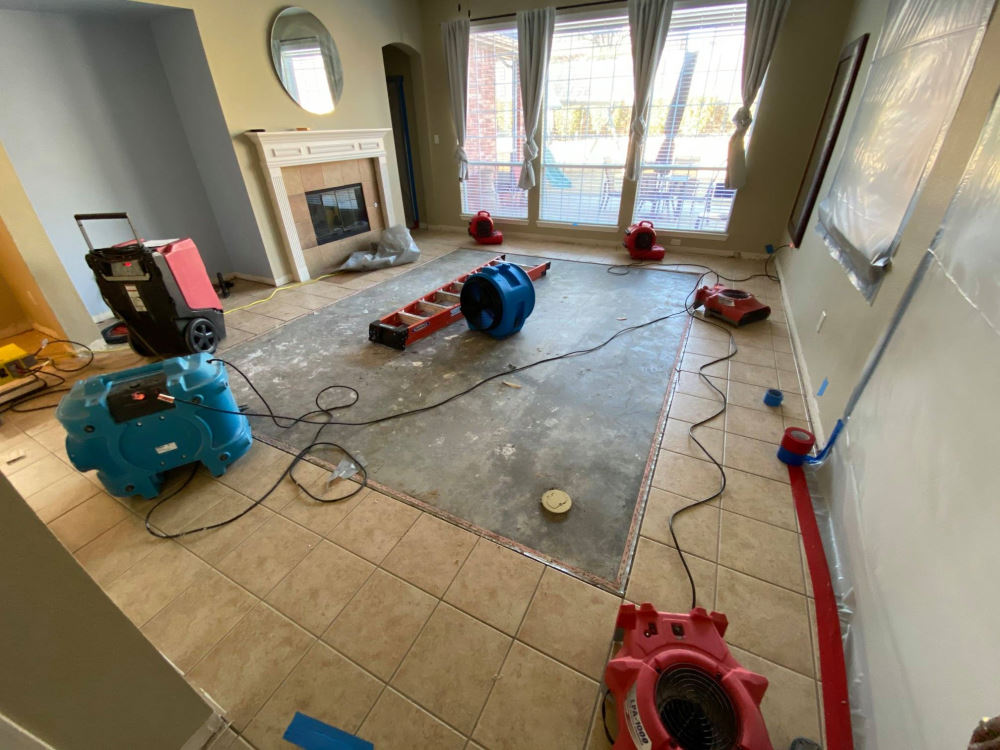
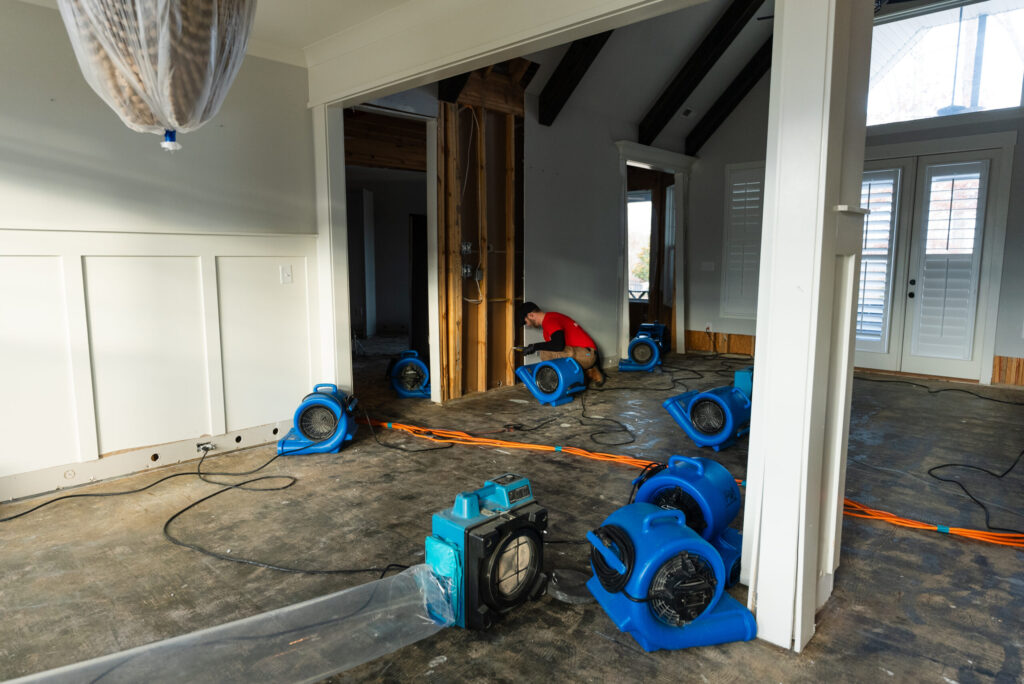
Water damage restoration involves more than drying equipment and surface repairs. Restoration may include removal of damaged materials, drying structural components, treating affected areas, and rebuilding finishes once moisture issues are resolved.
Insurance claims should support this full process. When coverage is limited to partial restoration, homeowners may experience recurring issues, incomplete repairs, or reduced property value. Clear claim documentation helps ensure restoration work is done once and done correctly.
Homes in Vancouver and surrounding Southwest Washington communities face specific risks related to rainfall, aging plumbing systems, and seasonal weather conditions. Basements, crawl spaces, and lower-level areas are particularly vulnerable to water intrusion.
Insurance claims should reflect these local conditions and the way water behaves in residential structures common to the area. When claims account for local factors, coverage decisions are more accurate and repairs are more effective.
When you contact us, our team moves quickly to begin claim documentation and inspection coordination. Early involvement helps prevent missed damage, delays, and undervalued insurance decisions.
We follow strict public adjusting standards and industry guidelines to ensure claims are handled accurately, ethically, and in line with policy requirements.
With years of field and claim handling experience, we deliver dependable results through detailed documentation, clear communication, and focused negotiation on every claim.
Based in Seattle, we treat every policyholder with care and respect, providing reliable claim representation for property owners throughout Washington.
Insurance companies often look for ways to classify water damage as long-term wear and tear rather than a sudden event. For example, a pipe that finally bursts may be blamed on age instead of the actual rupture that caused the damage. The distinction matters because sudden and accidental losses are usually covered, while maintenance issues are not. Proper claim documentation helps show that the damage resulted from a specific event, not ongoing neglect.
Water damage rarely stays in one place. Moisture can move through framing, insulation, flooring, and adjacent rooms over time. If this spread is not documented early, insurers may argue that later damage is unrelated. A strong claim clearly shows how the water migrated from the original source and why all affected areas require repair as part of the same loss.
Yes, and this is one of the most misunderstood aspects of water damage claims. Water can be absorbed into materials like drywall, wood framing, subfloors, and insulation without visible surface signs. Even when areas appear dry, trapped moisture can weaken materials or create future problems. Claims that only address what can be seen often fall short of covering what actually needs to be repaired.
Insurance adjusters focus on policy interpretation and cost control, while restoration professionals focus on what is required to properly dry, remove, and rebuild damaged materials. These perspectives don’t always align. When repair scope is based only on surface damage, critical steps may be excluded. A well-supported claim bridges this gap by tying restoration needs directly to covered damage under the policy.
Surface flooring like laminate, hardwood, or carpet may show damage quickly, but subfloors beneath them often suffer more severe impact. Swelling, delamination, or loss of structural integrity may not be obvious until materials are removed. Insurance claims that stop at surface repairs can leave homeowners with hidden problems that surface months later.
Moisture testing provides objective data showing where water traveled and how deeply materials were affected. This information helps establish the true scope of loss and prevents disputes over whether areas were actually damaged. Claims supported by measurements and documented findings are harder for insurers to dismiss or reduce.
A poorly documented or improperly resolved claim can sometimes lead to future coverage challenges, especially if lingering moisture causes additional damage later. When the original loss is not fully addressed, insurers may argue that future issues are pre-existing. A complete and accurate claim helps protect homeowners beyond the immediate repair.
Claims often stall when insurers request additional documentation, clarification, or revised estimates. This usually happens when the original submission does not fully explain the damage or justify repair needs. Clear, organized claim support helps keep the process moving and reduces back-and-forth delays.
Appliance failures often involve slow leaks or sudden hose ruptures, while plumbing losses may stem from pipes inside walls or under floors. The source affects how damage spreads and how coverage is evaluated. Claims must clearly explain how the failure occurred and why the resulting damage meets policy criteria for coverage.
A properly resolved claim should allow for full drying, removal of damaged materials, and rebuilding without cutting corners. It should restore the home’s safety, functionality, and value, not just provide a temporary fix. The outcome should reflect what the home actually needs, not the minimum an insurer is willing to approve.
We proudly serves homeowners and businesses throughout Vancouver and the surrounding Southwest Washington communities. We assist property owners with insurance claims involving water damage, fire and smoke damage, storm damage, and other covered property losses. Our goal is to help policyholders navigate the insurance claim process with clarity, confidence, and professional support from start to finish.